
Quick verdict: “Caterpillar treats” is not a single brand or product — so there is nothing to call a scam, but also nothing to blindly trust. The term covers three different things: food for real caterpillars (such as monarch larvae), the fast-growing category of insect-protein pet treats, and caterpillar-shaped dog toys and chews. Each is legitimate in its own right when bought from named brands with clear ingredient lists. The risk only appears when a vague listing uses the words without saying which one it means — so read the label, not the headline.
Some search terms send you to one product page. “Caterpillar treats” sends you in three directions at once — butterfly gardening, sustainable pet food and dog toys — and most articles online pretend only one of them exists. This explainer sorts out what the term actually means, which products are genuinely sold under it, what the safety checks are, and how to buy the right thing without wasting money on the wrong one.
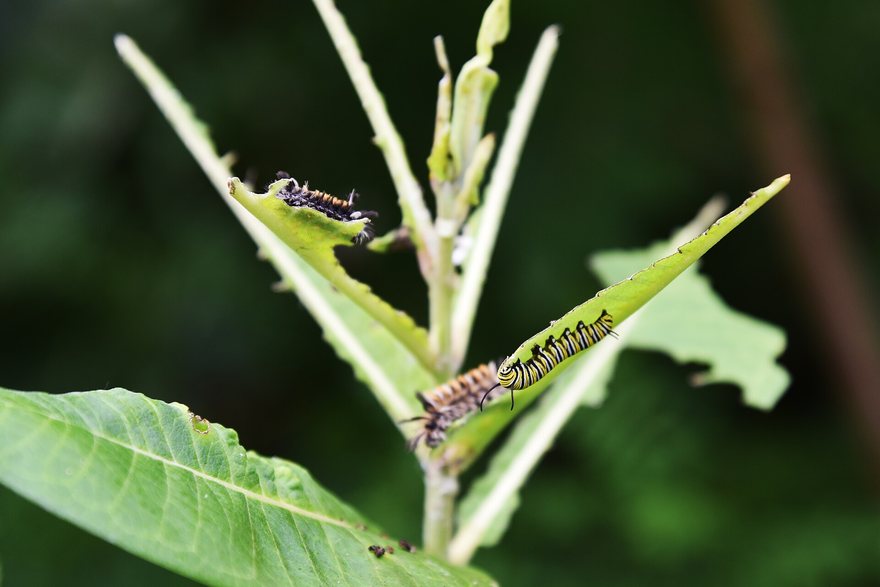
Meaning 1: Treats FOR Caterpillars
If you raise butterflies, “caterpillar treats” means food for larvae — and here nature has already written the menu. Monarch caterpillars, the most commonly raised species, eat milkweed and essentially nothing else in the wild; their bodies are adapted to that single plant family. Experienced raisers sometimes use emergency substitutes such as butternut squash or zucchini for late-stage monarch larvae when milkweed runs out, but these are stopgaps discussed in rearing communities, not proper diets, and they do not work for young caterpillars.
The legitimacy check for this meaning is simple: caterpillars do not need branded snacks. Garden centres do sell related biological products — for example, nematode treatments marketed for controlling pest caterpillars on box trees — which occasionally surface in the same search results and confuse buyers. If a product promises to “treat” your caterpillars in any other sense than feeding host plants, read the description twice: it may be a pest-control product, the exact opposite of what a butterfly keeper wants.
Meaning 2: Pet Treats Made From Insects
This is the meaning with real commercial momentum, and most likely what pet owners are searching for. Insect-protein treats — made from black soldier fly larvae, mealworms or crickets rather than caterpillar larvae specifically — have moved from novelty to a recognised pet-food category, covered by industry press such as this report on Scout & Zoe’s insect-based pet treats.
Why insect protein?
- Nutrition: Black soldier fly larvae provide high protein, essential amino acids and lauric acid; mealworm protein quality has been compared favourably to beef in university research.
- Sustainability: Larvae are farmed on a fraction of the land, water and emissions of conventional livestock — the central marketing and scientific claim of the category.
- Sensitive pets: As a novel single protein, insect treats suit many dogs with common meat allergies. Established brands such as Vitakraft’s Insect Stick lean on exactly this: a mono-protein snack made without added sugar, artificial colours, preservatives or flavour enhancers, and gently smoked over beechwood.
Are they safe and legit?
The category itself is legitimate and increasingly mainstream — national pet brands sell insect lines, and university nutritionists have developed mealworm-based treats commercially. The trust signals to look for are the same as for any pet food: a named manufacturer, a full ingredient list, a guaranteed analysis (protein, fat, fibre percentages), feeding guidance by pet size, and compliance statements for your market (such as AAFCO in the US or FEDIAF in Europe). Introduce any new treat gradually, watch for digestive upset or allergic reaction, and remember that treats should stay a small share of daily calories. Our profile of Michael Cordray’s business career is a reminder that durable brands are built on documented quality — insect treats are no different.
Meaning 3: Caterpillar-Shaped Dog Toys and Chews
The third cluster of results has nothing to do with ingredients at all: caterpillar-shaped playthings. These include tough caterpillar chew toys for aggressive chewers — sold on marketplaces with squeakers and flavour coatings — and giant plush caterpillars that have become cult favourites among dog owners as comfort toys. Prices here are ordinary pet-toy prices, and the products are as legitimate as any other dog toy, with the standard caveat that no toy is indestructible and chewing should be supervised.
The confusion risk is real, though: a listing titled “caterpillar treat toy” may be an inedible chew, while a bag of “larvae treats” is food. Buying the toy when you wanted food is harmless; feeding something you assumed was edible when it is a flavoured nylon chew is not. Check the product category, materials and “not for consumption” wording before checkout.
How to Buy Safely: A 5-Point Check
- Decide which meaning you need — larva food, insect-protein treats, or a caterpillar-shaped toy — before you search.
- Buy named brands with a manufacturer name, address and contact details; avoid anonymous listings using the phrase as bait.
- Read the ingredient or materials list — full stop. Legitimate pet treats publish one; legitimate toys state their materials and supervision warnings.
- Check the guaranteed analysis and feeding guide for edible treats, and match protein source to your pet’s allergies.
- Start small — one bag or one toy, observe your pet, then reorder. Small pet brands with this discipline, like the entrepreneur stories we cover in our Toriah Lachell net worth profile, are exactly the ones that survive.
Red Flags and Caveats
- Vague listings: Any product page that will not say whether the item is food or a toy is not worth your money.
- Miracle health claims: Insect protein is nutritious, but treats claiming to cure conditions are marketing, not veterinary science.
- Wild-caterpillar shortcuts: Never feed captive caterpillars random leaves or commercial “caterpillar food” without confirming the species’ host plant — the wrong plant can kill them.
- Keyword bait: Because the phrase is ambiguous, some sellers attach it to unrelated pest-control or novelty products. The description, not the title, tells you what you are buying.
Pros and Cons
Pros
- Insect-protein treats are a real, growing, vet-discussed category with named brands
- Lower environmental footprint than conventional meat treats
- Novel proteins can help pets with common meat sensitivities
- Caterpillar-shaped toys are widely available, inexpensive and well reviewed
- For butterfly keepers, correct “treats” are simply the right host plants — free from the garden
Cons
- The term itself is ambiguous — no single official product or brand
- Easy to buy the wrong category of product by mistake
- Insect treats cost more per bag than conventional treats
- Some marketplace listings exploit the phrase with unclear descriptions
Final Verdict
Legit — with a reading test attached. Everything genuinely sold under the “caterpillar treats” umbrella, from insect-protein dog snacks by established pet brands to caterpillar chew toys to milkweed for monarch larvae, is a real product category with real science or real reviews behind it. There is no single “Caterpillar Treats” company to endorse, and that is precisely the point: judge each listing on its label, its brand and its ingredient or materials list, and the term is perfectly safe to shop. Buy on the headline alone, and you may end up feeding your dog a nylon toy — or your caterpillars a pest treatment.
Frequently Asked Questions
What exactly are caterpillar treats?
It is a generic term, not a brand. Depending on context it means food for pet caterpillars (usually host plants such as milkweed for monarchs), pet treats made from insect protein such as black soldier fly larvae or mealworms, or caterpillar-shaped dog toys and chews.
Are insect-protein treats safe for dogs?
Products from established pet brands are formulated and labelled like other treats — with ingredient lists, guaranteed analysis and feeding guides — and the category is covered by mainstream pet-food industry press. Introduce them gradually and consult your vet for pets with health conditions.
What do pet caterpillars actually eat?
Almost every caterpillar species eats specific host plants, and many eat only one family. Monarch larvae, for example, eat milkweed. There is no universal caterpillar food, so identify your species first and feed its natural host plant.
Can dogs eat the caterpillar chew toys sold online?
No. Caterpillar-shaped chew toys are toys, even when flavoured or scented. They are made for supervised chewing, not consumption — check the product’s materials and warnings, and remove any toy that starts breaking apart.
Why are insect treats more expensive?
Insect farming is still a smaller, newer industry than conventional meat production, so larvae protein costs more to produce at current scale. Prices have been falling as major pet brands enter the category.

Pingback: Termis Beans Explained: Egypt's Ancient Lupini Snack, Honestly Reviewed
Pingback: Osnovno Uciliste Explained: What Primary School Means in the Balkans